
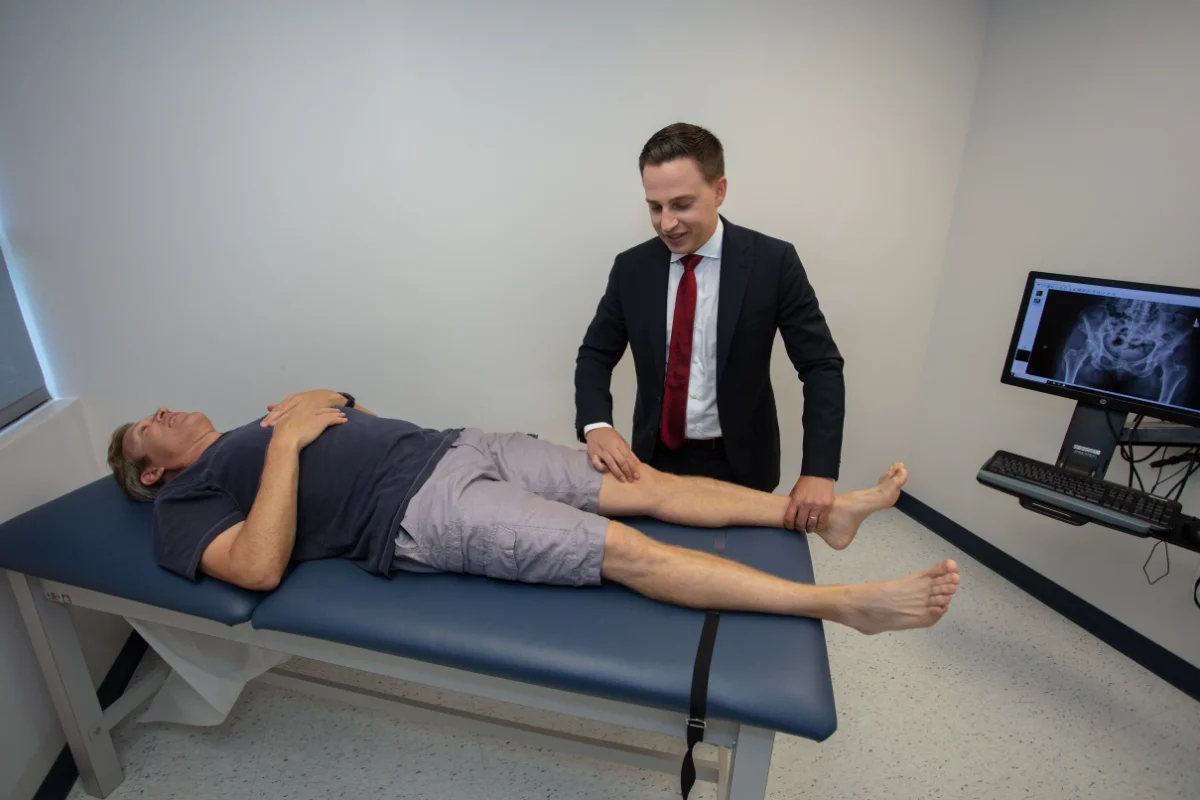
Hip arthritis can cause significant pain, stiffness, and loss of mobility—making everyday activities and the things you enjoy more difficult.
Dr. Grosso and his team specialize in the comprehensive care of hip arthritis, offering a full range of personalized treatment options. Non-surgical care may include physical therapy, activity modification, medications, and injections to help relieve symptoms and improve function.
When these treatments are no longer effective, hip replacement surgery can provide lasting relief. Hip and knee replacements are among the most successful procedures in modern medicine, helping patients return to an active lifestyle and significantly improve quality of life.
Dr. Grosso specializes in minimally invasive direct anterior hip replacement, a muscle-sparing approach associated with faster recovery for many patients. He utilizes this technique for all his primary hip replacements and is nationally recognized for his expertise through research, publications, and invited lectures.
In select cases, Dr. Grosso also offers robotic-assisted hip replacement to further enhance precision and surgical planning.
What to expect from hip replacement
While every patient is different, most can expect:
Preparation
Before surgery, you'll complete medical clearance, meet anesthesia, and talk to our team to help you prepare.
Anesthesia and surgery
On the day of surgery, most patients receive spinal anesthesia (numb from the waist down). Dr. Grosso performs your surgery using a minimally invasive, muscle-sparing anterior approach. The procedure takes about 1 hour, and Dr. Grosso utilizes long-acting numbing medication to help control pain afterward.
Incision and closure
On average the incision is small (3-6 inches) and can be either in bikini alignment or vertical depending on body habitus and patient preference. It is closed with dissolving sutures and covered with a waterproof dressing for 1–3 weeks.
Same day
You'll begin moving, standing, and walking the same day as surgery. Most patients have no major restrictions and can return to normal daily activities quickly.
Going home
Many patients go home the same day or after one night. Most recover best at home rather than in rehab facilities.
Rehabilitation and timeline
You'll use a walker or cane briefly. Many patients benefit from physical therapy, which is typically twice a week for 6 weeks starting 2 weeks after surgery. Most recovery occurs within 6–12 weeks, often sooner.
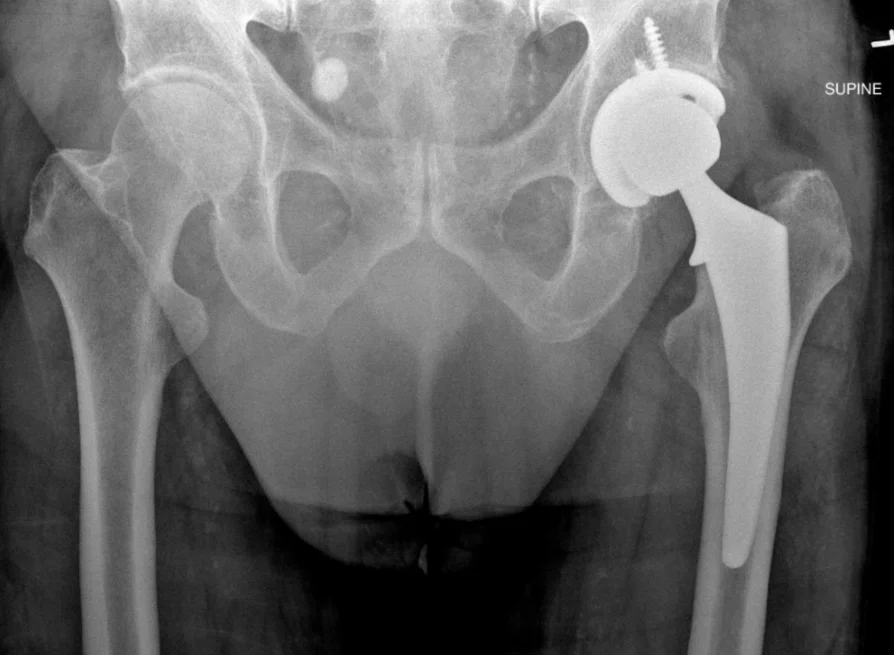
Preparing for surgery?
Dr. Grosso's surgical instruction packet covers everything from the weeks before surgery through recovery at home.
Download the hip replacement guide →Surgery is performed either at Connecticut Joint Replacement Institute at Saint Francis Hospital or Lighthouse Surgery Center, both in Hartford, Connecticut. Both facilities are award winning centers that specialize in hip and knee replacement surgeries, with publicly available complication rates well below the national average.